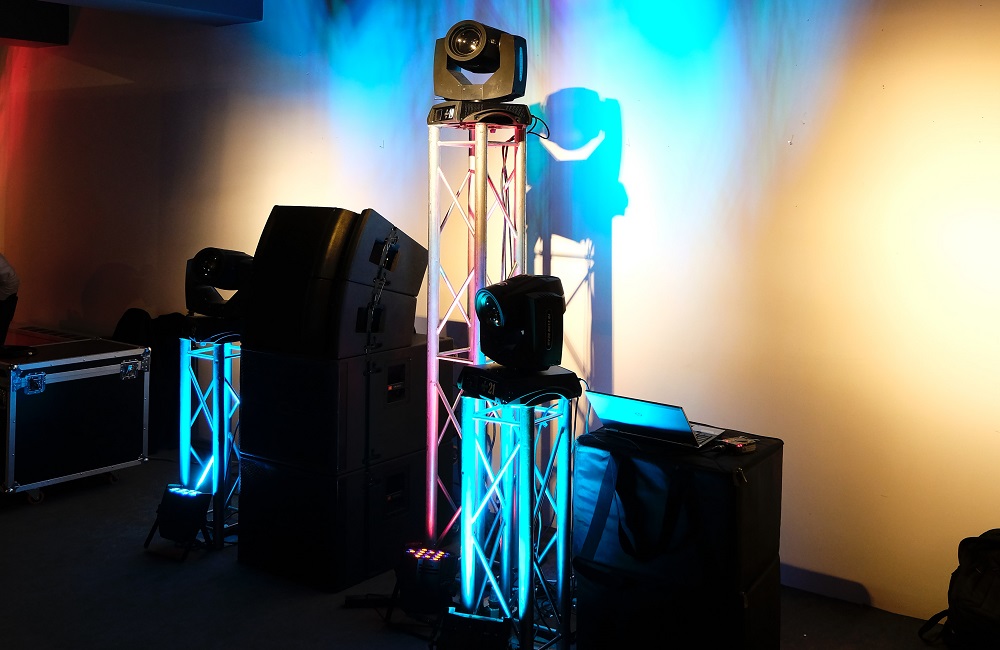
Einrichten der Heimkino-Lautsprecher für optimalen Klang
Einer der Gründe, warum wir gerne ins Kino gehen, ist der unglaubliche Sound. Sie sehen sich den Film nicht nur aufmerksam an, sondern haben auch

Einer der Gründe, warum wir gerne ins Kino gehen, ist der unglaubliche Sound. Sie sehen sich den Film nicht nur aufmerksam an, sondern haben auch

Heimkinos haben seit den 1950er Jahren, als Heimkino zum ersten Mal populär wurde, einen langen Weg zurückgelegt. Heutzutage bedeutet die Einrichtung eines Heimkinos, ein echtes
Kinogeschenkgutscheine sind nützlich für diejenigen, die Schwierigkeiten haben, Geschenke zu kaufen. Die Schwierigkeit, die bei diesen Menschen besteht, ist schwerer zu befriedigen als bei anderen,
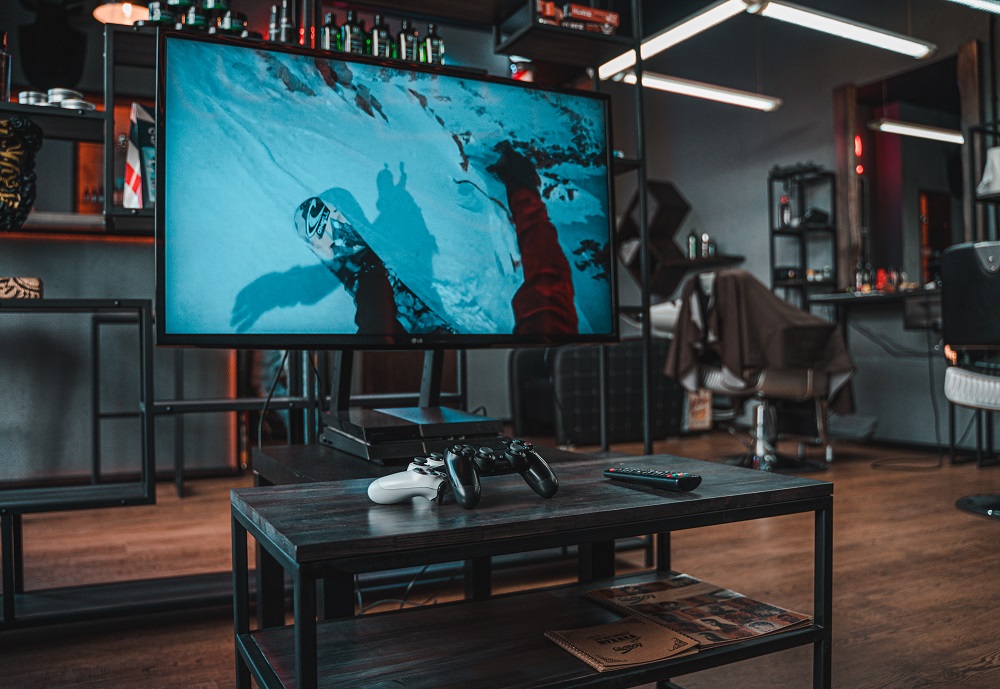
Sie haben also diese Idee. Sie möchten ein Heimkino erstellen. Sie sind sich jedoch nicht sicher, wo Sie anfangen sollen. Sie haben ein Gästezimmer oder
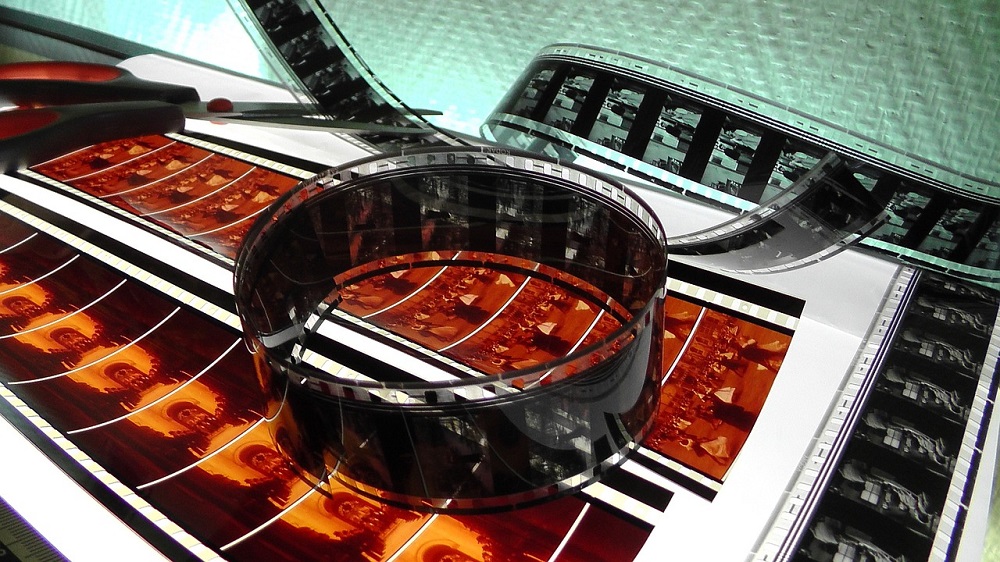
Da Heimunterhaltungsgeräte von Jahr zu Jahr billiger und die Qualität immer besser werden, fragen sich immer mehr Menschen, ob sie ein eigenes Heimkinosystem einrichten sollen.
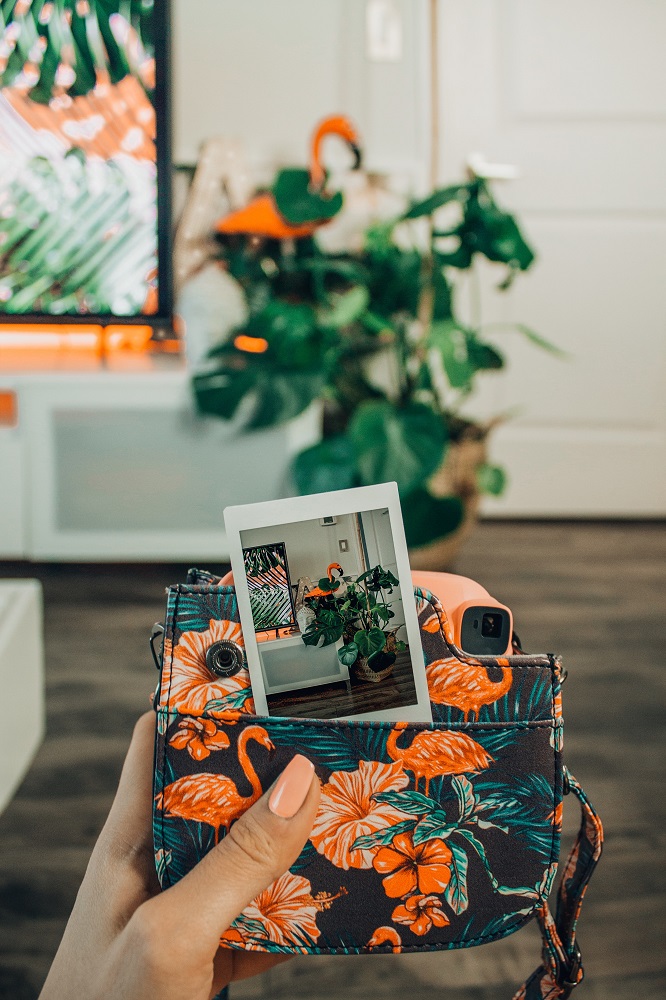
Kameras haben Tonnen von kleinen Zifferblättern, Knöpfen und Messgeräten. Wenn Sie lange genug auf eine Kamera schauen, finden Sie mehr Möglichkeiten, Ihre Fotos anzupassen, als

Diejenigen, die eine Filmschule abgeschlossen haben, betreten das Traumfeld mit ausreichenden Kenntnissen über Film- und Videoproduktion. Die einzige Schwierigkeit oder Herausforderung, der sie begegnen, ist

Obwohl Disney unzählige Filme produziert hat, ist es für seine animierten Filme beliebter. Nach dem Beginn der animierten Reise mit Schneewittchen und den sieben Zwergen

Wir schauen Filme, um unseren Stress abzubauen und unsere Freizeit optimal zu nutzen. Die interessanten Filme können große Stress-Buster sein. Diese Filme beschäftigen uns mit
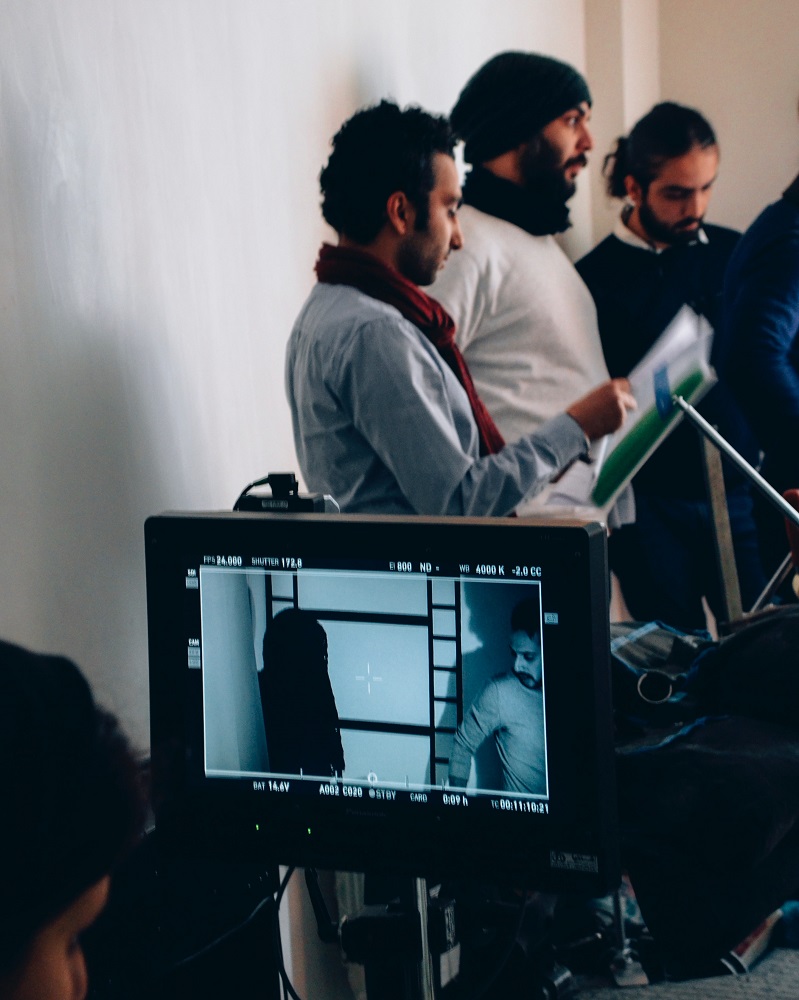
Hier und da haben mich verschiedene Freunde auf eine Filmidee aufmerksam gemacht, die sie haben. Das lose Zitieren beginnt normalerweise mit: “Ich habe diese großartige
Einer der Gründe, warum wir gerne ins Kino gehen, ist der unglaubliche Sound. Sie sehen sich den Film nicht nur aufmerksam an, sondern haben auch
Heimkinos haben seit den 1950er Jahren, als Heimkino zum ersten Mal populär wurde, einen langen Weg zurückgelegt. Heutzutage bedeutet die Einrichtung eines Heimkinos, ein echtes
Kinogeschenkgutscheine sind nützlich für diejenigen, die Schwierigkeiten haben, Geschenke zu kaufen. Die Schwierigkeit, die bei diesen Menschen besteht, ist schwerer zu befriedigen als bei anderen,
Sie haben also diese Idee. Sie möchten ein Heimkino erstellen. Sie sind sich jedoch nicht sicher, wo Sie anfangen sollen. Sie haben ein Gästezimmer oder

Einer der Gründe, warum wir gerne ins Kino gehen, ist der unglaubliche Sound. Sie sehen sich den Film nicht nur aufmerksam an, sondern haben auch
Heimkinos haben seit den 1950er Jahren, als Heimkino zum ersten Mal populär wurde, einen langen Weg zurückgelegt. Heutzutage bedeutet die Einrichtung eines Heimkinos, ein echtes
Kinogeschenkgutscheine sind nützlich für diejenigen, die Schwierigkeiten haben, Geschenke zu kaufen. Die Schwierigkeit, die bei diesen Menschen besteht, ist schwerer zu befriedigen als bei anderen,
Sie haben also diese Idee. Sie möchten ein Heimkino erstellen. Sie sind sich jedoch nicht sicher, wo Sie anfangen sollen. Sie haben ein Gästezimmer oder
Da Heimunterhaltungsgeräte von Jahr zu Jahr billiger und die Qualität immer besser werden, fragen sich immer mehr Menschen, ob sie ein eigenes Heimkinosystem einrichten sollen.
Kameras haben Tonnen von kleinen Zifferblättern, Knöpfen und Messgeräten. Wenn Sie lange genug auf eine Kamera schauen, finden Sie mehr Möglichkeiten, Ihre Fotos anzupassen, als
Diejenigen, die eine Filmschule abgeschlossen haben, betreten das Traumfeld mit ausreichenden Kenntnissen über Film- und Videoproduktion. Die einzige Schwierigkeit oder Herausforderung, der sie begegnen, ist
Obwohl Disney unzählige Filme produziert hat, ist es für seine animierten Filme beliebter. Nach dem Beginn der animierten Reise mit Schneewittchen und den sieben Zwergen
Wir schauen Filme, um unseren Stress abzubauen und unsere Freizeit optimal zu nutzen. Die interessanten Filme können große Stress-Buster sein. Diese Filme beschäftigen uns mit
Hier und da haben mich verschiedene Freunde auf eine Filmidee aufmerksam gemacht, die sie haben. Das lose Zitieren beginnt normalerweise mit: “Ich habe diese großartige
Einer der Gründe, warum wir gerne ins Kino gehen, ist der unglaubliche Sound. Sie sehen sich den Film nicht nur aufmerksam an, sondern haben auch
Heimkinos haben seit den 1950er Jahren, als Heimkino zum ersten Mal populär wurde, einen langen Weg zurückgelegt. Heutzutage bedeutet die Einrichtung eines Heimkinos, ein echtes
Kinogeschenkgutscheine sind nützlich für diejenigen, die Schwierigkeiten haben, Geschenke zu kaufen. Die Schwierigkeit, die bei diesen Menschen besteht, ist schwerer zu befriedigen als bei anderen,
Sie haben also diese Idee. Sie möchten ein Heimkino erstellen. Sie sind sich jedoch nicht sicher, wo Sie anfangen sollen. Sie haben ein Gästezimmer oder